A periodontist focuses on the health of your gums and the tissues that support your teeth. Gum disease can cause inflammation, bleeding, gum recession and, in more advanced cases, tooth loss. Early assessment and appropriate treatment can help protect your gums and maintain your natural teeth.
At Regency House Dental Clinic in St Albans, we take a personalised approach to gum health, helping identify signs of gum disease and providing suitable treatment recommendations. Our team will assess your gums, explain your options and support you in maintaining healthy teeth and supporting tissues.

Address gum inflammation and infection to help improve your overall gum health.
Appropriate periodontal care can help reduce the risk of damage to the tissues supporting your teeth.
Regular assessments can identify signs of gum problems and allow treatment to begin where needed.
Receive personalised advice on brushing and cleaning between your teeth to support healthier gums.
Your dentist will assess your gums, check for signs of inflammation and measure the health of the tissues supporting your teeth. Depending on your condition, treatment may include professional cleaning, deep cleaning below the gumline and personalised oral hygiene advice.
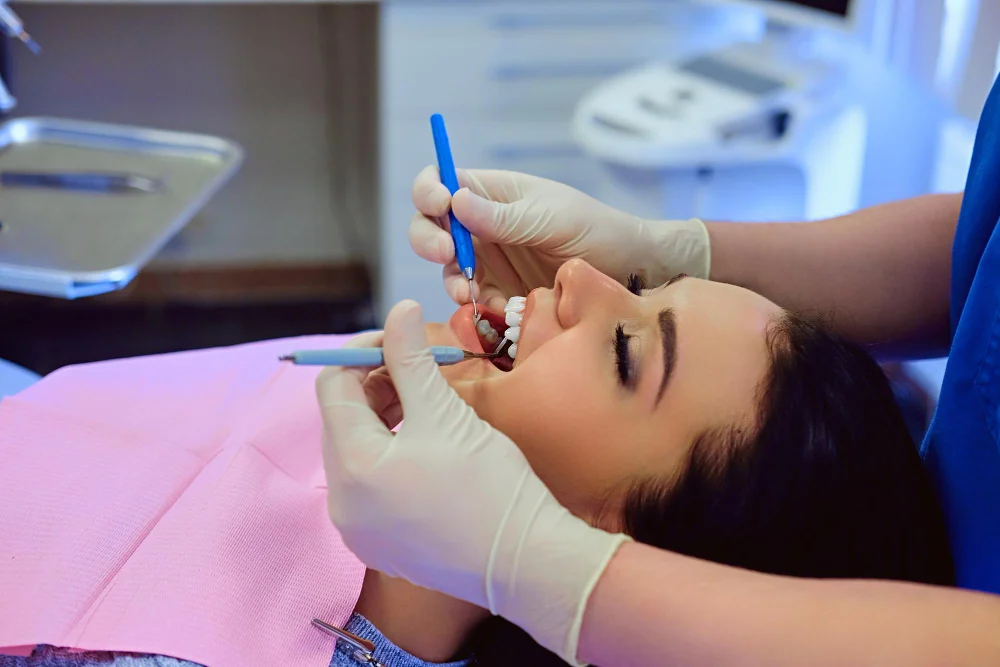
A periodontist specialises in preventing, diagnosing and treating conditions affecting the gums and tissues supporting the teeth.
Gum disease is an infection or inflammation affecting the tissues around your teeth. It can range from early gum inflammation to more advanced periodontal disease.
Common signs include bleeding gums, redness, swelling, persistent bad breath, gum recession and loose teeth. Some forms of gum disease may cause few noticeable symptoms.
Yes. Treatment depends on the severity of the condition and may include professional cleaning, deep cleaning, improved oral hygiene and other periodontal treatments.
The level of discomfort depends on the treatment required. Your dental team will explain the procedure and discuss ways to keep you comfortable.
Advanced gum disease can damage the tissues and bone supporting your teeth, potentially leading to tooth loss. Early diagnosis and appropriate treatment can help reduce this risk.
Your appointment frequency depends on your gum health and individual treatment needs. Your dental team will recommend a suitable schedule.
Yes. Gum disease and inadequate oral hygiene can increase the risk of problems around dental implants. Maintaining healthy gums is important for implant care.
Good oral hygiene, regular dental examinations and professional hygiene appointments can help reduce the risk of gum disease and support healthy gums.
Call us on 01727 848080 or click the Book Online Button on the top of the page to arrange an appointment.